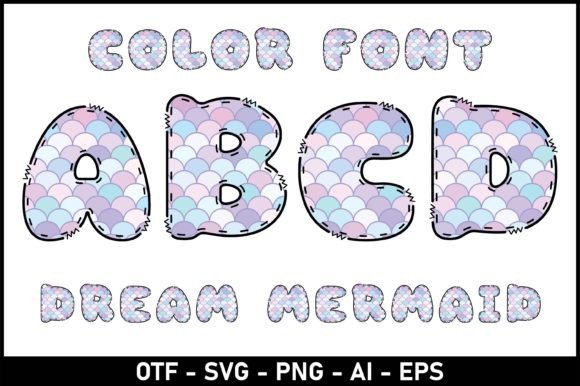
Unveiling the Dream Mermaid Font: A Guide for Creative Projects
There are typefaces that simply sit on a page, and then there are those that tell a story before the reader even processes the first word. If you are working on a project that demands a touch of whimsy, nostalgia, or a playful edge, the Dream Mermaid font is likely the missing piece of your visual puzzle. It captures the fluid, dynamic nature of hand-lettering, making it a standout choice for anyone looking to inject personality into their work. This typeface is more than just a collection of letters; it is a design asset that brings a specific mood to the table, perfect for creators who want to evoke emotion and engagement through their typography.
The Visual Appeal: Why It Works for Branding
Typography is the voice of your brand's visual identity. When you choose a premium font like this, you are making a statement about who you are and who you are talking to. The aesthetic of this display font relies on soft curves and a flowing rhythm, which naturally draws the eye. For small business owners and entrepreneurs, particularly those in the lifestyle, beauty, or children's sectors, this kind of typeface offers a unique advantage. It feels personal and handcrafted, which can help bridge the gap between a digital storefront and a human connection.
Unlike rigid sans serif fonts that convey corporate efficiency, or traditional serif fonts that suggest history and formality, this script font offers a modern typography solution that feels approachable. It is particularly effective for logo design where you want to stand out from the competition. Imagine a boutique bakery, a handmade jewelry line, or a creative agency using this font for their wordmark. It instantly communicates that the brand is creative, artistic, and distinct.
Practical Applications: From Packaging to Social Media
The versatility of a creative font often determines its value in a designer's toolkit. While some typefaces are limited to specific contexts, Dream Mermaid shines across a variety of mediums. Because it is designed to convey a playful or artistic feel, it fits naturally into projects that aim to delight the viewer.
For those involved in editorial design or publishing, particularly children’s books, this font is a natural fit. It creates an engaging reading experience for young audiences, capturing their imagination with its whimsical style. However, its utility extends far beyond print media. Here is how you can practically apply this font to different areas of your work:
- Packaging Design: Use it to highlight product names on labels for cosmetics, artisanal foods, or stationery. It adds a premium, hand-crafted feel to the shelf presence.
- Social Media Graphics: In the fast-scrolling world of Instagram or Pinterest, a bold, artistic header font stops the thumb. Use it for quotes, announcements, or sale graphics to boost audience engagement.
- Invitations and Greeting Cards: Whether it is a wedding invitation or a birthday card, the font provides the elegance and personality required for special occasions.
- Merchandise: T-shirts, tote bags, and mugs often benefit from bold, legible typography that doesn't look like standard computer text. This font offers that distinct look.
- Web Design: While body text needs to be highly readable (usually a sans serif font), headings and hero sections on websites are the perfect place to utilize a display font to set the mood immediately.
Technical Considerations and File Compatibility
While the visual aspect is crucial, the technical side of design assets is where many creators run into trouble. It is vital to understand the file formats included with the Dream Mermaid font to ensure a smooth workflow. The font typically comes in both OTF (OpenType Font) and TTF (TrueType Font) formats, which are standard for most design software.
A key detail to note involves the different versions of the font: black and color. The black version is a standard vector font, making it highly compatible with a wide range of software, including Cricut Design Space and other cutting machines. This makes it an excellent choice for crafters who use vinyl cutters for decals, signs, or apparel.
However, if you opt for the color version of the font—which includes gradients or textures within the letters—you need to check your software compatibility. The color version is generally compatible with advanced design programs like Adobe PhotoShop, Illustrator, Silhouette Studio Designer Edition, and Inkscape. It is important to remember that color fonts often have limitations in basic software or cutting machines that cannot process multi-colored vectors in a single glyph. Always verify your specific setup before purchasing if you require the color functionality.
Strategic Typography: Pairing and Readability
Choosing the right font is only half the battle; knowing how to use it effectively is what separates amateur work from professional presentation. One of the most common mistakes in brand identity work is using a decorative font for everything. While Dream Mermaid is beautiful, using a script font for long paragraphs can quickly lead to eye strain for your audience.
To maintain readability and visual consistency, you must master font pairing. A general rule of thumb in modern design is to contrast your primary display font with a simpler secondary font. Because Dream Mermaid is ornate and flowing, it pairs exceptionally well with a clean, geometric sans serif font. This contrast allows the header to pop while ensuring the body text remains easy to digest.
Consider these practical tips for your next project:
- Scale and Hierarchy: Use the Dream Mermaid font at a larger size for headers and titles. Use your secondary font for sub-headers and body copy to guide the reader's eye through the content logically.
- Testing Combinations: Before finalizing a design, mock up a few different pairings. Sometimes a serif font can work with a script, but usually, the cleaner the secondary font, the better the contrast.
- Color and Contrast: Ensure that the font color stands out against the background. A whimsical font can lose its impact if it is placed on a busy background with low contrast.
Licensing and Commercial Use
For designers, marketers, and small business owners, the legal aspect of using commercial fonts cannot be overlooked. If you are using Dream Mermaid for a client project, a product you intend to sell, or marketing materials for your business, you must ensure you have the appropriate commercial license.
Most premium fonts found on marketplaces come with a license that allows for commercial use, but the terms can vary. Some licenses are based on the number of users or the number of prints (e.g., for merchandise). Always review the licensing agreement included with the download. If you are creating digital products to sell—such as editable templates in Canva or other platforms—you generally cannot include the font file itself in your product unless you have an Extended License. You can, however, flatten the text as a graphic element (rasterize) in most cases.
By understanding these nuances, you protect your business and support the type designers who create these intricate tools. Whether you are crafting a logo design for a startup, designing a layout for a blog, or creating marketing assets for a seasonal campaign, having the right font with the right license gives you the confidence to create without limitations.
Ultimately, the Dream Mermaid font is a versatile tool for the creative professional. It bridges the gap between playful artistry and functional design, offering a solution for anyone looking to add a splash of personality to their visual communication. By integrating it thoughtfully into your projects—paying attention to pairing, readability, and technical compatibility—you can elevate your work and connect with your audience on a more visual and emotional level.