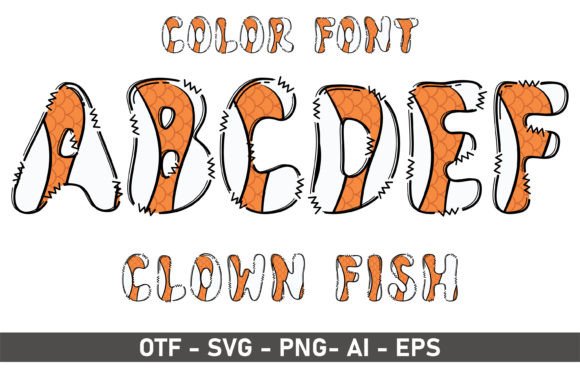
Clown Fish Font: A Playful Splash for Creative Projects
There's something undeniably charming about a font that can make you smile. It's the kind of typeface that doesn't just deliver a message—it sets a mood. That's the power of a well-crafted display font like Clown Fish. With its whimsical, hand-drawn character and fluid lines, this font instantly injects personality into any design. It's not for your quarterly report, but it's perfect for the project that needs to feel joyful, artistic, and approachable. If you're a designer, crafter, or small business owner looking to connect with an audience on a more playful level, understanding how to use a font like this is a game-changer.
More Than Just a Pretty Face: The Practical Appeal of Whimsical Typography
At its core, Clown Fish is a creative font designed to evoke emotion. Its visual style—often characterized by slightly irregular baselines, varying stroke weights, and a handmade aesthetic—feels authentic and energetic. This isn't sterile, corporate typography. It's a typeface with soul. The true value, however, lies in its practical applications. Think about a children's book author who needs a font that's both engaging and easy for young readers to follow. Or a local bakery wanting to create a warm, friendly brand identity that feels homemade. The right playful font becomes a silent ambassador for your brand's personality, making it instantly recognizable and memorable.
This style of modern typography excels in specific scenarios where connection is key. Consider using it for:
- Branding & Logo Design: Ideal for businesses targeting families, kids, creative services, or any brand that wants to project a fun, approachable vibe. It works beautifully for a logo's wordmark or tagline.
- Packaging Design: Makes products on a shelf pop. Perfect for artisanal foods, children's toys, craft kits, or any item where the packaging needs to tell a story of creativity and care.
- Marketing & Social Media: Grabs attention in a crowded feed. Use it for Instagram quote graphics, Facebook ad headlines, or YouTube thumbnails to stop the scroll with a burst of personality.
- Print & Event Materials: Brings invitations, greeting cards, posters, and event flyers to life. It's a natural fit for birthday parties, baby showers, school events, and community fundraisers.
- Digital Products & Web Design: Enhances the user experience on blogs, websites, and digital downloads. Use it for headers, section titles, or call-to-action buttons on sites focused on crafts, parenting, education, or entertainment.
Finding the Right Fit: Matching the Font to Your Vision
Choosing a display font is a strategic decision. Before you dive in, ask yourself: What is the primary emotion I want to evoke? Who is my target audience? A font like Clown Fish communicates specific things—joy, creativity, youthfulness, warmth. If your project aligns with those values, it's a strong candidate. The key is to ensure the font's personality matches your project's goal. A whimsical typeface used for a serious legal document would create confusion, but used for a child's tutoring service, it creates perfect harmony.
Readability is also a crucial consideration, especially for longer text. Display fonts are typically best used for headlines, logos, and short bursts of text, not for body copy. Pairing is where the magic happens. A playful script or handwritten font like Clown Fish often pairs beautifully with a clean, simple sans-serif font for body text. This creates a dynamic contrast that is visually interesting yet easy to read. For example, use Clown Fish for your main headline and a font like Open Sans or Lato for the descriptive paragraph underneath. This pairing ensures your design is both eye-catching and professional.
Technical Know-How: Getting the Most from Your Font Files
Once you've chosen your creative font, understanding its technical specifications is vital for a smooth workflow. Fonts like this often come with multiple file types, such as OTF (OpenType) and TTF (TrueType). The black version of a standard font is generally compatible with a wide range of software, including popular crafting machines like Cricut Design Space. This makes it a versatile design asset for creating decals, t-shirts, and home decor.
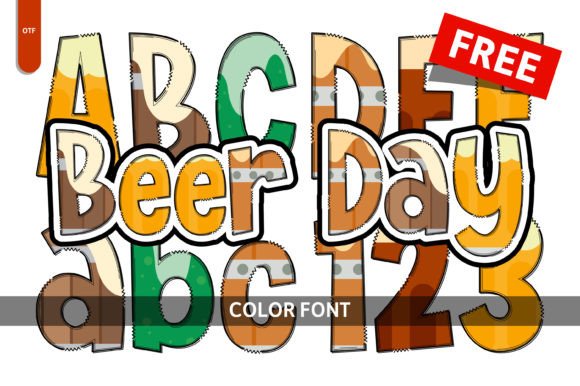
However, the color version of such a font—which might include gradients, textures, or multiple hues within each letter—is a more specialized asset. These are typically compatible with advanced design programs like Adobe Photoshop, Adobe Illustrator, and Inkscape, but not with basic software or cutting machines that only support single-color fonts. It's essential to check the font's compatibility with your specific tools before purchasing. Reviewing the included font styles and the commercial license is also a non-negotiable step. A proper license ensures you can legally use the font for client work, merchandise, and other commercial projects, protecting both you and your business.
Ultimately, a font is a tool for visual communication. A premium font like Clown Fish provides a specific tool for a specific job: creating designs that are full of life and personality. By understanding its strengths, pairing it wisely, and using it in the right context, you can elevate your projects from merely informative to truly engaging, building a stronger, more recognizable brand identity in the process.